
The Impact of AI in Digital Marketing in 2026
INTRODUCTION
Artificial intelligence is no longer a future concept—it has become a core part of how brands connect with customers online. As we move into 2026, the impact of AI in digital marketing is becoming more visible, more practical, and more results-driven than ever before. From content creation to audience targeting and performance optimization, AI is reshaping the way digital marketing strategies are planned and executed.
Rather than replacing marketers, AI is helping them work smarter. It enables better decision-making, improves personalization, and allows brands to scale their efforts without losing relevance. In this blog, we explore how AI is transforming digital marketing in 2026 and what it means for businesses looking to grow in an increasingly competitive digital space.
What Is AI in Digital Marketing?
AI in digital marketing refers to the use of artificial intelligence technologies to analyze data, automate processes, and improve marketing performance across digital channels. This includes machine learning, natural language processing, predictive analytics, and automation tools that help marketers understand user behavior and deliver more relevant experiences.
Instead of relying only on manual analysis or guesswork, marketers now use AI-driven insights to predict trends, personalize content, and optimize campaigns in real time. In 2026, AI is no longer limited to large enterprises—it is widely accessible and used by businesses of all sizes.
Why AI Is Reshaping Digital Marketing in 2026
The digital landscape has become more crowded than ever. Audiences expect personalized content, quick responses, and seamless experiences across platforms. This is where AI in digital marketing plays a crucial role.
AI helps marketers:
-
Process large volumes of data quickly
-
Understand customer intent more accurately
-
Deliver personalized experiences at scale
-
Improve efficiency without increasing workload
In 2026, brands that fail to adopt AI-driven strategies often struggle to keep up with changing consumer expectations.
AI in Content Creation and Optimization
Content remains the backbone of digital marketing, and AI has significantly changed how content is created and optimized. AI-powered tools can now assist with idea generation, content structuring, keyword analysis, and performance prediction.
Rather than replacing human creativity, AI acts as a support system. It helps marketers understand what type of content resonates with their audience, which formats perform best, and when content should be published for maximum impact.
AI also plays a role in optimizing existing content by analyzing engagement metrics and suggesting improvements. This makes content strategies more data-driven and less dependent on trial and error.
AI in Social Media Marketing
One of the most visible applications of AI is AI in social media marketing. Social platforms generate massive amounts of data every second, and AI helps marketers make sense of it.
In 2026, AI is used to:
Identify trending topics and hashtags
Predict audience engagement
Optimize posting schedules
Analyze sentiment and brand perception
AI-driven insights allow brands to create more relevant social media content and engage with their audience in a timely and meaningful way. Chatbots and automated responses also improve customer interaction, ensuring quicker replies without losing consistency.
AI-Powered Advertising and Campaign Optimization
Paid advertising has become more competitive, and AI plays a critical role in improving ad performance. AI algorithms analyze user behavior, search intent, and past interactions to deliver highly targeted ads.
With AI in digital marketing, ad campaigns in 2026 are:
More personalized
Better optimized for conversions
- Continuously improved through real-time data
AI adjusts bidding strategies, audience targeting, and ad creatives automatically, helping marketers get better results without constant manual monitoring. This leads to improved ROI and reduced ad waste.
AI Tools for Marketing and Automation
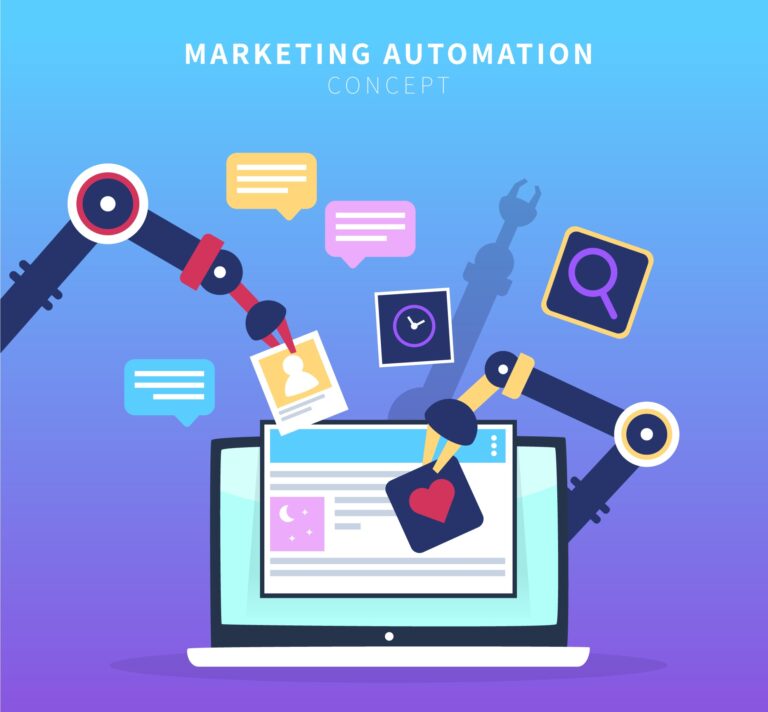
The rise of AI tools for marketing has made advanced technology accessible to everyday marketers. These tools assist with automation, analytics, customer segmentation, and campaign management.
Common use cases include:
Email marketing automation
Customer behavior analysis
Lead scoring and nurturing
Performance tracking and reporting
In 2026, AI tools for marketing are not about complexity—they are about simplicity. They reduce repetitive tasks and allow marketers to focus on strategy, creativity, and growth.
Benefits of AI in Digital Marketing
The growing adoption of AI in digital marketing offers several clear benefits:
-
Better personalization: AI helps deliver tailored content and offers
-
Improved efficiency: Automation reduces manual workload
-
Data-driven decisions: Insights are based on real user behavior
-
Higher engagement: Relevant messaging improves interaction
-
Scalable growth: Strategies can expand without losing quality
These benefits make AI a valuable asset for brands looking to stay competitive in 2026.
Challenges and Ethical Considerations
While the impact of AI in digital marketing is largely positive, it also comes with challenges. Data privacy, transparency, and over-automation are common concerns.
Marketers must ensure that:
-
User data is handled responsibly
-
AI-generated content remains authentic
-
Automation does not replace human connection
In 2026, ethical use of AI is just as important as technological advancement. Trust remains a key factor in long-term brand success.
The Future of AI in Digital Marketing Beyond 2026
Looking ahead, AI will continue to evolve, becoming more intuitive and integrated across digital platforms. Predictive analytics will become more accurate, personalization will feel more natural, and automation will support increasingly complex marketing strategies.
However, human creativity, strategic thinking, and emotional understanding will remain essential. AI will enhance digital marketing—not replace the people behind it.
Final Thoughts
The impact of AI in digital marketing in 2026 is undeniable. From content and social media to advertising and automation, AI has transformed how brands plan, execute, and optimize their digital strategies. Businesses that embrace AI thoughtfully can improve efficiency, deliver better customer experiences, and achieve sustainable growth.
At the same time, success lies in balance—using AI as a powerful tool while keeping marketing human, authentic, and purpose-driven.